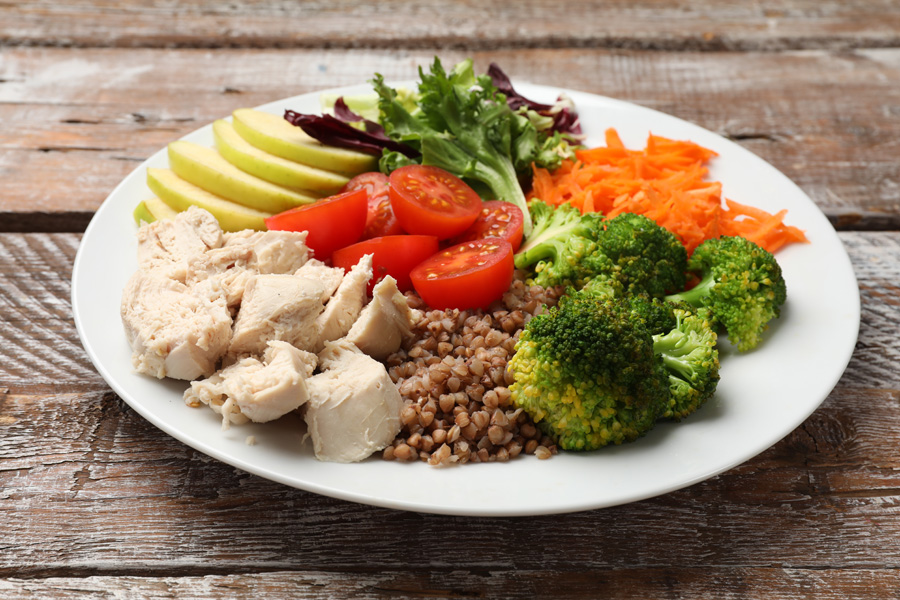
The Ideal Indian Lunch Plate: Balance Your Dal, Rice & Protein Right
Discover how to build a balanced lunch plate for better energy and health. Learn why dal rice alone isn’t enough and how adding paneer improves nutrition.
Lunch is often treated as a quick break in the middle of a busy day, but it plays a much bigger role than we realize. The kind of food you eat at lunch directly impacts your energy, focus, and even your mood for the rest of the day. A well-balanced lunch doesn’t have to be complicated—it just needs to be thoughtfully put together.
🍽️ Understanding the Ideal Lunch Plate
A healthy lunch plate is all about balance. Instead of loading your plate with just one type of food, aim to include a mix of nutrients that your body needs.
A wholesome lunch should include:
- Energy-giving foods like rice, roti, or millets
- Protein sources such as dal, paneer, curd, or legumes
- A generous portion of vegetables for fiber and vitamins
- A small amount of healthy fats like ghee or nuts
This combination helps your body function smoothly without sudden dips in energy.
⚖️ Dal Rice vs Dal Rice + Paneer: A Clear Comparison
Let’s look at a very common lunch choice in Indian homes—dal and rice.
Dal + Rice (Basic Meal):
- Provides carbohydrates and some protein
- Easy to digest and comforting
- But may not keep you full for long
- Limited in overall protein quality and variety
Dal + Rice + Paneer (Balanced Meal):
- Higher protein content supports muscle health
- Keeps you full for a longer time
- Adds essential nutrients like calcium
- Provides sustained energy without sudden hunger
👉 The difference is simple: the second plate works harder for your body.
🧠 Why Protein Matters More Than You Think
Many people underestimate the importance of protein in everyday meals. While dal does contain protein, it may not be enough on its own—especially if your day is active or demanding.
Adding paneer (or any other protein source) helps:
- Reduce unnecessary snacking
- Maintain stable energy levels
- Support overall body repair and strength
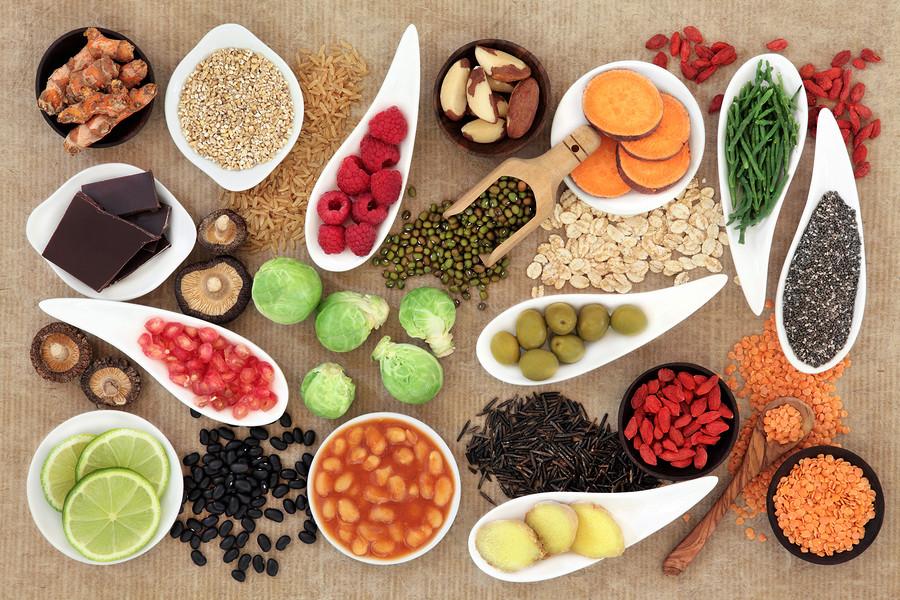
Smart Upgrades You Can Start Today
You don’t need a complete diet overhaul. Small changes can make a big difference:
- Add paneer cubes to your regular meal
- Include a bowl of curd or a handful of sprouts
- Don’t skip vegetables—even a simple salad helps
- Use a teaspoon of ghee for better nutrient absorption
VEGETARIAN SALAD OPTION
A refreshing salad made with cucumber, tomatoes, sprouts, paneer cubes, sweet corn, onions, and lettuce, lightly seasoned with lemon juice, black pepper, and herbs. This salad provides fiber, protein, vitamins, and freshness, making it a healthy addition to a balanced lunch plate.
NON-VEGETARIAN SALAD OPTION
A wholesome protein-rich salad prepared with grilled chicken pieces, boiled eggs, lettuce, cucumber, cherry tomatoes, onions, and carrots. Tossed with olive oil, lemon juice, and light seasoning, this salad supports satiety, muscle health, and sustained energy throughout the day.
Paneer Fatigue? Here’s How to Keep Your Lunch Exciting!
If you get bored of paneer, there are plenty of healthy protein alternatives to include in your lunch. You can replace it with tofu, sprouts, chickpeas, soy chunks, curd, lentil cutlets, or boiled eggs for variety. These options add nutrition, improve satiety, and keep your meals interesting while supporting a balanced diet.
Final Thought
Healthy eating isn’t about restriction—it’s about balance. Your everyday dal and rice can still be part of your diet, but when you enhance it with the right additions like paneer, it becomes a meal that truly nourishes your body.
Think of your lunch plate not just as food, but as fuel that shapes how you feel and function every day.